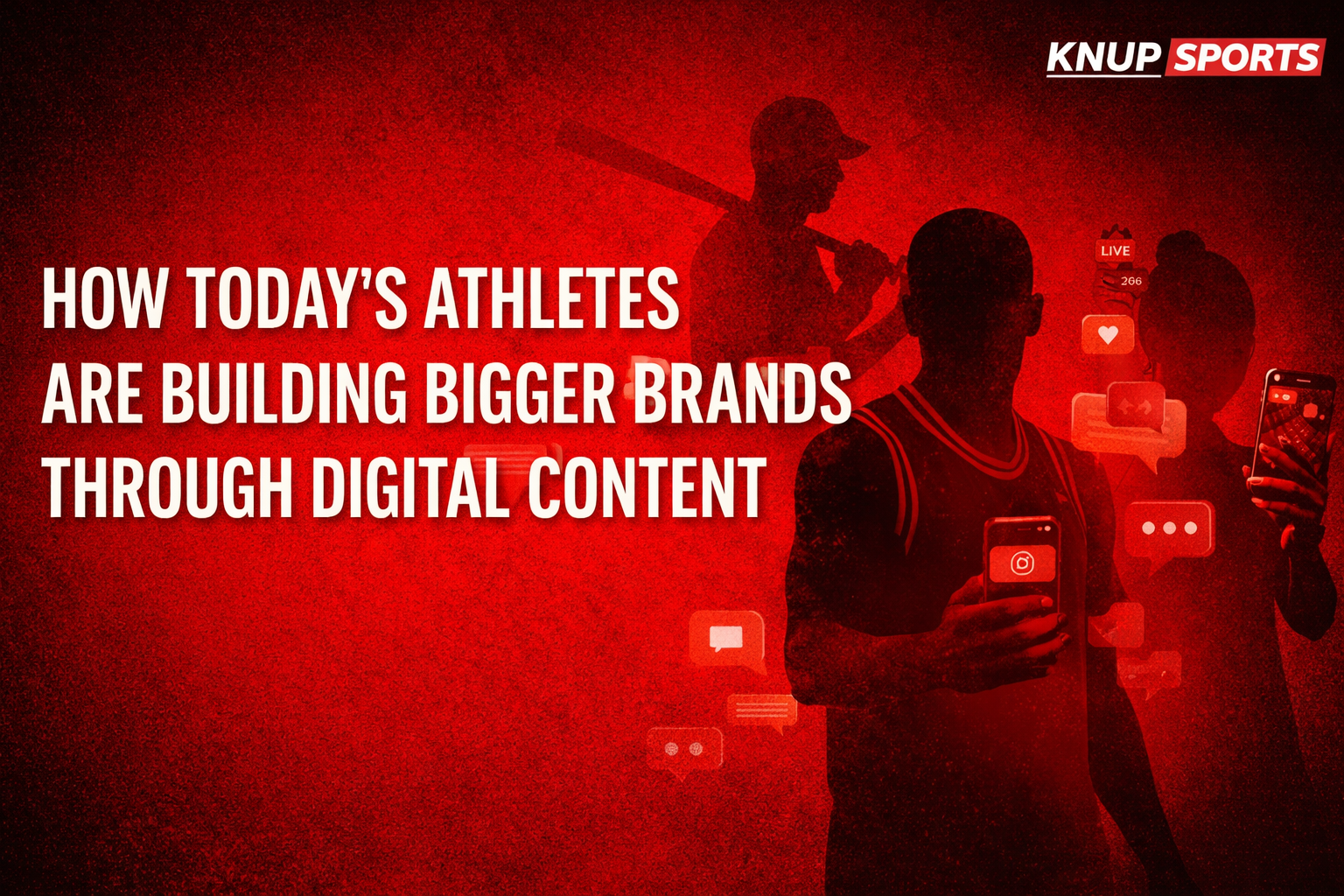
No longer can anyone claim that athletes are just performers on the field or court. That world has vanished, replaced by a landscape where visibility stretches far beyond game day. The numbers are obscene: millions watch live streams unrelated to sports, and social media engagement rivals that of entertainment behemoths.
Names once unknown outside locker rooms now trend worldwide, sometimes before even stepping onto the main stage. Is this trend surprising? Not really. Audiences crave authenticity, and modern tools deliver it straight from source to screen. In short, today’s star carries influence in pixels as much as in points scored.
Social Media: The New Playing Field
Forget old-school sponsorships and stale press conferences. Now, athletes are building brands online faster than ever before, using platforms that reward personality over PR polish. A single tweet might launch a global meme or fuel debates for weeks, while Instagram posts show real life behind the highlight reels (pets stealing the camera more often than trophies).
Who benefits? Fans hungry for daily slices of reality get it fresh, direct from the source. Companies chase those eyeballs, too. Deals flow to personalities who own their digital space rather than simply borrowing attention during post-game interviews.
Content Creation Beyond Just Sports
Game footage is fine, but it only scratches the surface these days. Look around: podcasts dissect life off the field, YouTube channels reveal workout secrets or family routines (sometimes both in one episode), while TikTok throws in dance challenges for good measure. This isn’t vanity. It’s a strategy.
Clever athletes stake their claim as cultural commentators, activists, or businessmen through content tailored to niche groups as well as mass audiences. Relevance suddenly outlasts contracts and injuries alike because followers thrive on constant updates, fresh angles, and bold opinions instead of evaporating when seasons end.
From Influencer Deals to Entrepreneurial Paths
Brands caught on fast. Gone are the days when all an athlete could expect was a sneaker deal if lucky enough to make headlines consistently. Today? Partnerships run deeper (and wider). Sponsored products bear names and faces of favorite pros across industries, from nutrition to tech gadgets, a far cry from logo patches alone.
Savvy players push further into entrepreneurship itself by launching personal clothing lines or starting consulting businesses for peers eager to replicate success stories built on digital charisma rather than traditional statistics alone.
The Risks (and Rewards) of Unfiltered Access
Not everything shines as brightly behind the scenes. There are landmines scattered among likes and retweets for anyone looking closely enough. One poorly timed joke can cost real money, or worse, as public relations disasters unfold live before millions who respond instantly with criticism or praise that sticks hard and fast.
Yet risk breeds reward here: transparency wins hearts where canned messaging never will, and honest mistakes often build trust faster than perfection ever could if handled with humility or humor (the internet never forgets but sometimes forgives spectacularly).
Conclusion
Putting all these events together reveals something fundamental about fame in this decade: control now rests firmly with athletes, not just in agents’ folders or team scripts tucked away after games end. Success means knowing how and when to break news personally rather than waiting for reporters at crowded lockers waving microphones around like relics from a slower time.
Ultimately, what matters isn’t size alone but depth, the kind made possible by regular connection through content shaped by each voice rather than distant executive committees guessing what fans want next week or next season.